
New Report Supports Workforce Development as a Core to Intervention Strategy

The Civic Coalition to Save Lives has released From Barriers to Pathways: A Workforce Development Study for Gun Violence Prevention, a new analysis that supports existing evidence that economic opportunity is a critical tool in reducing gun violence in Philadelphia. Conducted by Econsult Solutions with support from the Truist Foundation, the report outlines how access to stable employment can reduce violence among those at highest risk of shooting someone or being shot.
The premise is straightforward. Meaningful work creates stability, dignity, and structure. Public safety is not achieved through enforcement alone, but through sustained investment in opportunity.
The findings underscore a strong link between economic disconnection and gun violence. In Philadelphia, between 2020 and 2022, the city saw more than 6,800 shooting victims. Gun violence is concentrated among a small number of individuals facing overlapping risks, including prior victimization, justice system involvement, and economic instability. While shootings have declined since 2021, sustaining that progress requires stronger, more accessible pathways to employment.
Philadelphia has built a robust intervention ecosystem, including the City’s Pushing Progress Philly (P3) and Group Violence Intervention (GVI) program models and community-based organizations such as Beat the Block and others, providing wraparound support such as behavioral health services, case management, and transitional employment.
But a critical gap remains. Too few participants transition from short-term or subsidized work into permanent, career-track jobs. This is not simply a question of readiness. It reflects a broader system challenge: employers often struggle to identify prepared talent, while participants face barriers navigating an increasingly digital and credential-driven job market. Structural obstacles—such as licensing restrictions tied to criminal records, unclear credentialing pathways, and late-stage hiring disqualifications—continue to limit access.
The report makes clear that the issue is not a lack of talent, but a lack of alignment. Individuals engaged in violence intervention programs represent a viable and often overlooked workforce—one that, with the right supports, demonstrates strong commitment and retention. As Terrell Roberts, economic mobility strategist of the GVICC, notes, “This is a talent source.” Yet the systems connecting that talent to opportunity remain fragmented.
Grounded in models like READI Chicago and the Center for Employment Opportunities, and informed by local employers, providers, and participants, the study identifies the need for stronger collaboration across systems, expanded second-chance hiring practices, and fewer structural barriers to employment. Econsult paired a review of evidence-based programs with a comprehensive mapping of Philadelphia’s workforce ecosystem – including institutions such as Community College of Philadelphia and initiatives like West Philadelphia Skills Initiative – to identify both strengths and critical gaps.
While not a broad economic study, the report offers a clear roadmap: connect people to opportunity more effectively, and public safety outcomes will follow.
At the Gun Violence Intervention Coordination Center (GVICC), this work is already underway. Launched by the Civic Coalition to Save Lives in partnership with the City of Philadelphia, the GVICC was created to provide a data strategy hub to support the City’s violence intervention ecosystem as they align programs, data, and partnerships to scale what works.
The report’s findings are helping inform a more centralized, system-wide approach to workforce development that reduces duplication, strengthens partnerships, and expands access to opportunity across programs. By unifying employer engagement and building relationships across the ecosystem, the GVICC is working to bridge what Roberts describes as the core disconnect: “whether talent knows how to find opportunity – and whether employers know where to find prepared talent.”
Roberts is applying these insights to build a systems-level strategy that expands access to employment, training, and entrepreneurship. His work focuses on aligning workforce programs with local labor market demand, strengthening partnerships across agencies and providers, and creating clearer pathways from intervention programs into sustainable careers.
Early efforts include collaboration with partners such as GVI, P3, the Mayor’s Office of Workforce Development, PowerCorpsPHL, Philadelphia Works, and EDSI, while connecting participants to training, certifications, life skills support, and opportunities for entrepreneurship.
As this work advances, one idea is becoming increasingly clear: this is not simply a workforce issue, but a systems challenge with real opportunity. “When you centralize, you reduce duplication and expand the resource pool,” Roberts explains. When employers, programs, and public agencies are aligned, the result is not just job placement, but long-term pathways to stability.
“This is a talent pool that, when given the opportunity, proves to be committed and reliable,” said Roberts. “The report helps us take what’s working and build the relationships needed to scale it.”
Fair Chance Hiring Gains Momentum in Philadelphia

The Chamber of Commerce for Greater Philadelphia recently released a new Fair Chance Hiring Policy Memo, aimed at helping employers more effectively hire individuals with justice-involved backgrounds.
The memo focuses on a core challenge: employers are increasingly open to fair chance hiring, but often lack clear guidance and strong connections to talent pipelines. Its recommendations—clearer policies, stronger employer support, and better alignment with workforce partners—are designed to move from intention to implementation.
For the Civic Coalition to Save Lives, the memo reinforces a key takeaway from the recent From Barriers to Pathways: A Workforce Development Study for Gun Violence Prevention report: the issue is not a lack of talent, but a lack of alignment. Bridging the gap between prepared candidates and employer demand is essential to expanding opportunity.
As partners across Philadelphia continue to build more coordinated workforce pathways, fair chance hiring is emerging as a practical, scalable strategy—one that strengthens both the labor market and long-term public safety.
Safer City. Stronger Economy. Public Safety progress lays the groundwork for growth, stability, and shared prosperity.
Philadelphia’s drop in gun violence is doing more than saving lives — it’s strengthening the city’s economic future.
At the Greater Philadelphia Chamber of Commerce’s Annual Mayoral Luncheon on February 11, Mayor Cherelle L. Parker and Bret Perkins, senior vice president of external and government affairs at Comcast and a member of the Civic Coalition to Save Lives Steering Committee, reinforced a shared message: safety and opportunity rise together.

“Safer, Cleaner, Greener” is Mayor Parker’s governing framework for Philadelphia — rooted in the understanding that public safety is foundational to opportunity and long-term economic mobility.
The results are measurable. Under the City’s Prevention, Intervention and Enforcement (PIE) strategy, homicides and shootings reached their lowest levels in more than 50 years. According to analysis by The Pew Charitable Trusts, Philadelphia experienced the sharpest decline in homicides among 20 major U.S. cities with high homicide rates from 2023 to 2024 — a 35% decrease — and led large cities in population-adjusted reductions in gun violence victimization.
Perkins emphasized the importance of sustained business engagement, even as gun violence continues to decrease.
“Many in this room, including my Comcast colleagues, joined the Civic Coalition to Save Lives – contributing time, talent, and resources to do our part in supporting evidence-based violence intervention efforts and the people and organizations that do this vital work,” he said. “We can’t let up, but we should pause and acknowledge this incredible progress.”
There is still work to do. As both leaders underscored, lasting economic mobility depends on leadership, investment, and action moving together.
For the Civic Coalition to Save Lives, that collaboration remains the path forward — investing in what works to ensure Philadelphia is both safer and stronger.
Philadelphia City Council Honors P3 for Leadership in Violence Intervention
When Philadelphia City Council honored Pushing Progress Philly (P3) this month, it sent a clear signal: intervention works.
In adopting a resolution on February 5, Council members highlighted P3’s intervention model — one that meets people where they are, addresses root causes of harm, and interrupts cycles of violence before they escalate, treating intervention as essential public-safety infrastructure.
The city-funded gun violence initiative operating within the Office of Public Safety division of Safe Neighborhoods, serves adults at the highest-risk of gun violence involvement through messenger outreach, case management, trauma-informed care, workforce development, housing navigation and structured personal development.
Councilwoman Cindy Bass noted that by embedding credible messengers and frontline staff in trusted community spaces, P3 helps stabilize individuals and families while strengthening neighborhood safety.
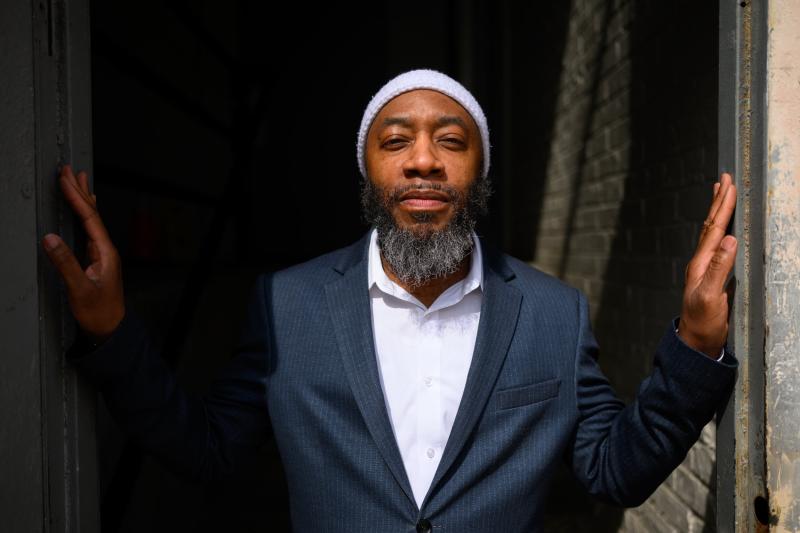
Accepting the recognition, P3 Program Director Dr. Kareem Brown underscored the role intervention has played in Philadelphia’s historic reductions in gun violence. He emphasized that P3’s work is grounded in relationships and accountability, walking alongside individuals and families through some of their most difficult moments.
“Today, Philadelphia is in a different moment. We are now at historical lows in gun violence and that did not happen by accident,” Brown said. “We stopped asking what’s wrong with people and started asking what happened — and what works.”
He noted that this summer will be a test of whether the momentum can be sustained.
“Violence reduction requires year-round commitment, coordination, and sustained investment,” he said.
Chief Public Safety Director Adam Geer stressed that intervention succeeds when government, community-based organizations, frontline practitioners and other partners work in alignment. He noted that the continued commitment within the city will make Philadelphia “the safest major city in America.”
“Innovative programs like P3, leaders like this and the investment our City is making collectively is working,” he said. “We must keep that investment up, continue to partner as we do, stand together and make every single neighborhood safe to walk down and safe to live in.”
That shared commitment — sustained investment, strong partnerships, and alignment across sectors — is at the heart of the work the Civic Coalition to Save Lives exists to support.
“On behalf of the Civic Coalition to Save Lives, I want to congratulate the entire P3 team on this well-deserved recognition,” said David Brown, executive director of the Civic Coalition to Save Lives. We’re also grateful to Philadelphia City Council for championing the intervention-driven solutions like these that meet this moment with urgency, partnership, and very real results.”
The Healing Verse Project Debuts at EMIR Healing Center

Philadelphia is on track to record fewer than 100 homicides in 2026, signaling a major decline from the pandemic-era surge in gun violence. Projects like Healing Verse reflect a growing recognition that community-rooted, arts-based healing is a critical component of gun violence intervention — addressing the grief and trauma that statistics alone cannot capture. By creating space for survivors and those touched by loss to process pain collectively, initiatives like this help break cycles of retaliatory violence and build the social cohesion that keeps communities safer long-term.
The Healing Verse project, led by former city poet laureates Yolanda Wisher and Trapeta Mayson, brings together 19 poets who have experienced loss to reflect the trauma felt by thousands of Philadelphia families. The project stems from writing workshops led by Wisher and Mayson between fall 2024 and spring 2025 that welcomed participants of all ages and experience levels.
The 14 art installations will debut across Germantown on April 11, 2026—including at the EMIR Healing Center, a Civic Coalition to Save Lives intervention partner— remaining on display through June, with some pieces potentially becoming permanent or staying through site agreements. EMIR’s partnership with the Civic Coalition to Save Lives speaks to something larger: that saving lives requires not just intervention in moments of crisis, but spaces where communities can grieve, heal, and find their way forward together.
Organizers evaluated over 200 entries before choosing the final poems, which included a contribution from an anonymous Philadelphia police officer. Each installation captures deeply personal perspectives, illustrating how the poets navigate loss, forgiveness, and hope while helping others do the same.
ICYMI
News Roundup: Spotlight on Intervention
Each month, we feature news stories from Philadelphia and beyond that highlight the power of intervention—showcasing programs, research, and community efforts working to prevent violence, support those at highest risk, and build safer neighborhoods through proven, people-centered strategies

Philly homicides drop to lowest number in decades, police say
By Claudia Vargas | January 2, 2026
In 2025, Philadelphia recorded 222 homicides — the lowest total in nearly six decades and averaging about four killings per week compared with nearly 11 in 2021 — according to Police Commissioner Kevin Bethel. Bethel attributed the decline to the city’s post-pandemic strategy focused on prevention, intervention, and enforcement, including investments in technology like license-plate readers, advanced forensics, body cameras, drones, and an 82 % homicide clearance rate that included solving cases from previous years. He noted the work began as life returned to normal after the COVID-19 pandemic and was supported by leadership priorities, but emphasized that while the drop is significant, continued effort is needed and it’s still too soon to know how many cleared cases will lead to convictions.

Philadelphia records the fewest homicides in nearly 60 years, plus other insights to 2025’s crime
By Ellie Rushing and Jillian Kramer| January 2, 2026
In 2025, Philadelphia recorded 222 homicides — the fewest in nearly 60 years — marking a historic drop in violent crime and continuing a sustained decline from pandemic-era peaks. The decrease mirrors a national reduction in violence and reflects a combination of factors including improved police investigations, expanded violence-prevention programs, and the city’s emergence from pandemic instability, though officials warn the progress is fragile and not the result of any single policy. Despite the milestone, residents and officials acknowledge that hundreds of lives were still lost in 2025 — from a 2-year-old to a 93-year-old — showing that while the overall trend is positive, the toll of violence remains a serious concern.

Experts weigh in on Baltimore’s fight against crime heading into the new year
By FOX45 News | January 3, 2026
City leaders and public safety experts discuss strategies to sustain recent declines in violent crime, emphasizing a balanced approach that includes prevention, intervention programs, community engagement, and targeted law-enforcement efforts. They highlight that progress depends on coordination among government agencies, community organizations, and residents rather than reliance on policing alone. Officials stress that long-term commitment and investment in addressing root causes of violence are essential to maintaining and building on recent gains.

Curbing property crimes and gun violence are top priorities for Philadelphia’s police commissioner
By Kristen Johanson | January 5, 2026
In 2026, Philadelphia Police Commissioner Kevin Bethel said his top goals include reducing property crimes (like thefts, retail thefts, stolen autos, burglaries, and robberies) and continuing efforts to reduce gun violence, even as homicides and shootings are at their lowest in decades. He also plans to expand the police department’s drone program, broaden victims’ advocacy services to more investigative units, upgrade outdated records systems, and support the development of a forthcoming citywide public safety plan with enhanced training in virtual reality, de-escalation, and social-emotional skills. Bethel emphasized that despite progress, both violent and property crime remain priorities and that these initiatives aim to improve investigations, community trust, and overall public safety.
Philly violence prevention groups say they were flourishing. Then the Trump DOJ cut their funding.
By Jesse Bunch | January 8, 2026
Several Philadelphia gun-violence prevention organizations that had been expanding community outreach and crisis response, including programs like Cure Violence in Kensington, have seen major federal funding cuts after the U.S. Department of Justice under the Trump administration rescinded or redirected grants that previously supported their work. The remaining federal grant money is now being shifted toward law-enforcement-oriented efforts such as policing, police-community relations initiatives, hiring officers, and equipment, while eligibility changes bar many community-based nonprofits from receiving funds. Local outreach workers say the cuts threaten progress on violence interruption at a time when these programs had become integral to responding quickly to shootings and connecting residents with mental-health and support services.

Philadelphia community speaks with the Pennsylvania Commission on gun violence prevention
By Haydeé Rosario | January 26, 2026
Philadelphia on January 21 and 22 with community leaders, program administrators, and families affected by gun violence to identify needs and improve prevention services. Organized with groups like Concilio and backed by state funding prioritizing gun violence prevention, participants shared personal experiences, discussed mental health and grief counseling needs, and highlighted challenges navigating the judicial system. Organizers emphasized using the feedback to strengthen services, support victims and families—many of whom were women from North Philadelphia—and position Concilio as a community hub for resources and education.

Could Philly’s $2 Billion Bet on Violence Housing Help Reduce Gun Violence?
By Mensah M. Dean | January 27, 2026
Philadelphia’s proposed $2 billion Housing Opportunities Made Easy (H.O.M.E.) plan would build and rehab 30,000 homes over four years to tackle affordability, reduce blight, and cut the number of vacant properties. Supporters hope it will help lower violent crime by addressing more than 400 abandoned homes that residents say act as magnets for crime and gun violence. Research suggests that fixing up abandoned houses is linked to smaller increases in gun violence compared with untreated vacant properties, and the City Council amended the plan to focus more on low-income residents as part of broader community safety goals.

With an Eye on Violence Intervention, These People Are Determined to Make Change
By Chip Brownlee | February 17, 2026
Several leaders in community violence intervention are moving from advocacy into local politics. Greg Jackson, former co-leader of the White House Office of Gun Violence Prevention, is running for an at-large seat on the Washington, D.C. Council after his home was targeted in a shooting, while Amber Goodwin, a prosecutor and founder of a Black-led violence prevention nonprofit, is campaigning for Austin’s city council. Their campaigns reflect a growing effort by CVI leaders to hold local office, protect funding threatened by federal cuts, and embed violence prevention programs directly into city public safety policy and budgets.

5 Tips for Reporting on Crime Data By Clark Merrefield | March 2, 2026
An experienced criminal justice researcher, along with two reporters from The Trace, offered expert guidance on how to locate and report on gun violence data.
In Philadelphia, Preventing Gun Violence Means Helping Young Men Change Their Thinking
By Mensah M Dean | March 17, 2026
Pushing Progress Philly (P3) is a city-funded violence prevention program that uses cognitive behavioral intervention, job training, and financial support to help high-risk men ages 18–35 avoid crime and rebuild their lives. Participants, many of whom have prior arrests or incarceration, attend sessions led by credible messengers and are paid stipends, which program leaders say helps address the economic drivers of violence. City officials credit P3 as part of the reason Philadelphia’s homicide rate has dropped significantly, though its direct impact is still being studied. Modeled after Chicago’s READI program, P3 has shown promise in changing behavior and providing stability, but experts say it is too early to fully measure its long-term effectiveness.

Data shows Philadelphia seeing 56% decrease in homicides, some police districts reporting none
By Joe Holden, Sean Tallant | March 25, 2026
Philadelphia’s homicide rate continues to decline in 2026, building on progress from the past two years. The data reinforces a key insight: violence remains concentrated among a small number of individuals at highest risk.
City leaders point to focused, coordinated strategies driving the trend, including targeted outreach and intervention efforts.
Stopping a Shooting Before a Teen Picks Up a Gun
By Mensah M Dean| March 27, 2026
A new profile in The Trace highlights the growing impact of Philadelphia’s Group Violence Intervention strategy, including its expansion to youth through the GVI-Juvenile (GVIJ) program. Modeled on the city’s proven adult GVI approach, the program connects young people at highest risk with counseling, education support, and employment pathways—offering a clear alternative to violence. Early stories of participants show meaningful progress, from completing school to securing internships, underscoring how targeted, relationship-based intervention can change trajectories. While formal evaluation is still underway, city leaders already point to GVIJ as a critical tool in reducing harm and stabilizing communities—building on a broader GVI model that has contributed to declining shootings and demonstrated that focused intervention, not just enforcement, is essential to lasting public safety.
